
What Is Basic Life Support (BLS) and Why Is It Important?
Basic Life Support (BLS) refers to the essential skills used to help someone experiencing a life-threatening medical emergency, particularly cardiac arrest, until professional medical help arrives.
Knowing how to recognise an emergency, call for help, perform CPR and use an Automated External Defibrillator (AED) can give you the confidence to act when every second counts.
While Basic Life Support is particularly important in workplaces, healthcare and dental settings, these are valuable skills for everyone. An emergency can happen anywhere- at work, at home or out in the community- and knowing what to do could make a life-saving difference.
At ADS Training, we provide practical Basic Life Support and CPR training in Northamptonshire, helping businesses, teams, groups and individuals develop the skills and confidence to respond in an emergency.
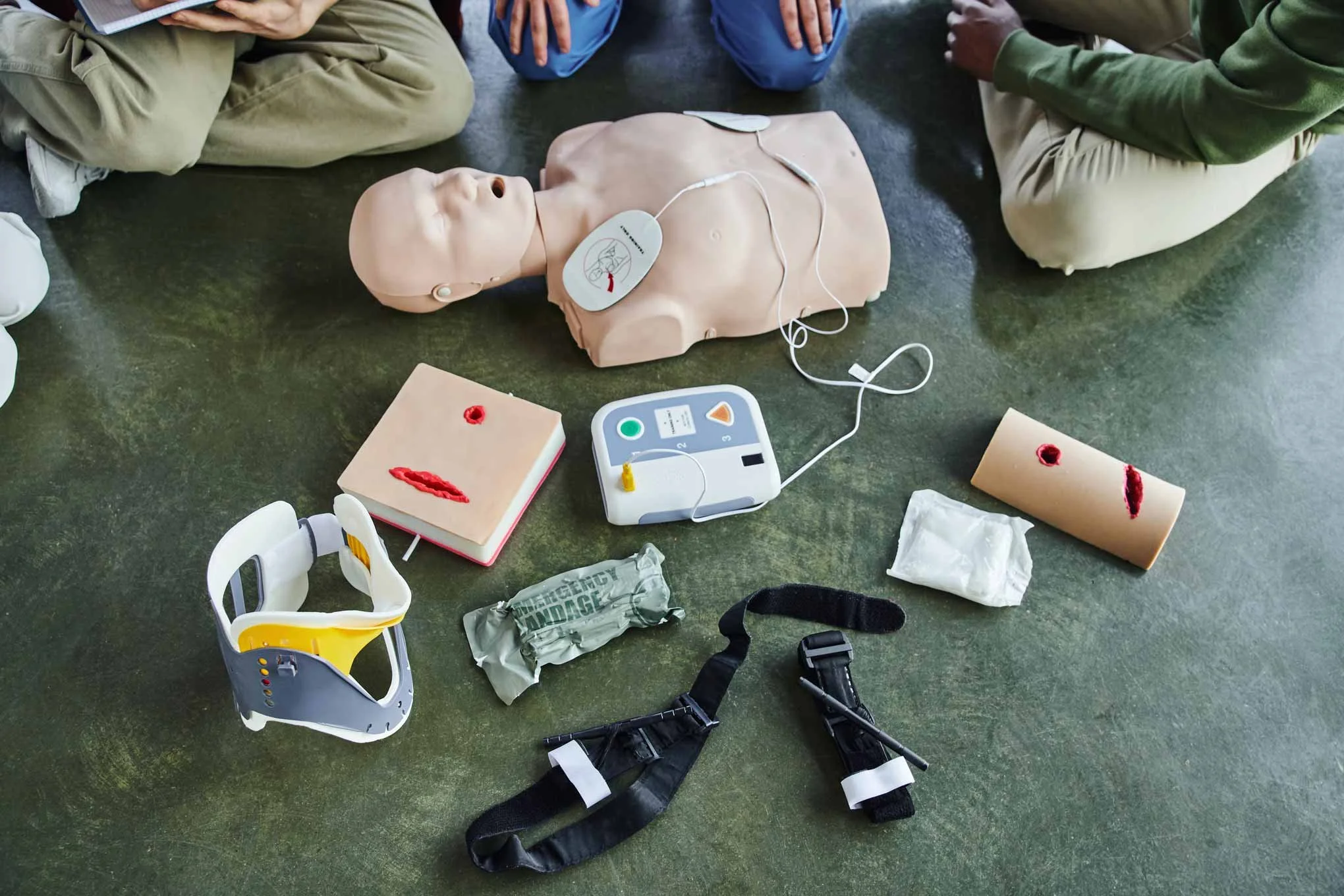
What Is Basic Life Support?
Basic Life Support, often shortened to BLS, is the immediate care provided to someone experiencing a life-threatening emergency before more advanced medical treatment is available.
The aim is to recognise that something is wrong, get professional help on the way and provide appropriate immediate support.
In the case of cardiac arrest, this includes recognising that someone is unresponsive and not breathing normally, calling 999, starting CPR and using an AED as soon as one becomes available.
These initial actions form an important part of the response to cardiac arrest and can be carried out by members of the public as well as trained professionals.
What Does Basic Life Support Include?
A Basic Life Support training course gives participants the opportunity to learn and practise essential emergency response skills in a safe and supportive environment.
BLS training can include:
Recognising the signs of cardiac arrest
Assessing an unresponsive casualty
Knowing when and how to call 999
Performing effective CPR
Delivering chest compressions and rescue breaths
Using an Automated External Defibrillator (AED)
Responding to choking
Understanding how to respond while waiting for emergency services
Building the confidence to act quickly in an emergency
Practical BLS training allows you to do more than simply read about these techniques. By practising them hands-on, you can become more familiar with what to do and feel better prepared should you ever need to use your skills in real life.
What is the Difference Between BLS and CPR?
CPR and Basic Life Support are closely related, but they aren't exactly the same thing.
CPR, or Cardiopulmonary Resuscitation, is a specific emergency procedure used when someone is in cardiac arrest. It involves chest compressions and, for those trained to provide them, rescue breaths.
Basic Life Support is broader. CPR is an important part of BLS, but Basic Life Support training also covers recognising an emergency, getting help, using an AED and responding appropriately to other immediate life-threatening situations.
An easy way to think about it is:
CPR is a lifesaving technique. BLS brings CPR together with the wider skills needed to recognise and respond to an emergency.
This is why you may see courses described as BLS and CPR training, particularly within workplaces, dental practices and healthcare environments.

Why is Basic Life Support Important?
During a cardiac arrest, a person becomes unresponsive and stops breathing normally. Immediate action is vital.
CPR helps maintain the circulation of oxygenated blood, while an AED can analyse the person's heart rhythm and, when appropriate, deliver a shock.
The actions taken before an ambulance arrives therefore form a crucial part of the emergency response.
Basic Life Support training helps people understand these actions before they're faced with a real emergency.
Rather than having to work out what to do in a highly stressful situation, someone who has completed BLS training can have greater familiarity with the steps they need to take.
BLS Training Can Build Confidence
One of the biggest barriers people can face during an emergency is a lack of confidence.
You might worry about doing something incorrectly, making the situation worse or simply freezing because you're unsure what to do.
Hands-on Basic Life Support training helps address these concerns by giving you the opportunity to practise emergency scenarios and lifesaving techniques before you ever need them.
You'll learn how to assess a situation, call for help, perform CPR and use an AED in a supportive environment where you can practise, ask questions and become comfortable with the process.
The goal isn't simply to remember information. It's to leave feeling more prepared to act.
Who Should Learn Basic Life Support?
Basic Life Support isn't only for doctors, nurses or other healthcare professionals. These skills can be valuable for almost anyone.
BLS training can be particularly beneficial for:
Workplace teams and employees
Dental practices and dental teams
Healthcare settings
Teachers and school staff
Nursery and childcare teams
Gym and fitness professionals
Sports clubs and coaches
Hospitality and retail employees
Community groups
Charities and voluntary organisations
Parents and carers
Individuals who simply want to feel better prepared
For businesses and organisations, having employees who understand CPR and Basic Life Support can contribute to a safer and more prepared workplace.
For individuals, the same skills could one day be needed at home, in a public place or while spending time with friends and family.
What Happens During a Basic Life Support Training Course?
If you've never attended a BLS course before, there's no need to feel intimidated.
At ADS Training, our Basic Life Support courses focus on practical, hands-on learning in a supportive environment.
Rather than simply sitting and listening to theory, participants have the opportunity to practise key skills and work through realistic scenarios. This helps build familiarity with the techniques being taught and gives you an opportunity to ask questions along the way.
Training can cover CPR, AED use, responding to an unresponsive casualty and other essential BLS skills.
Whether you're attending as an individual or completing workplace BLS training with your colleagues, the aim is the same: to help you leave feeling more confident and prepared to respond in an emergency.
Basic Life Support Training for Workplaces
Businesses have a responsibility to think carefully about health and safety, and being prepared for medical emergencies can form an important part of creating a safer workplace.
Corporate Basic Life Support training gives employees practical skills they can use if a colleague, customer or visitor experiences a medical emergency.
ADS Training can deliver workplace CPR and BLS training for businesses and organisations, providing a practical way to train multiple members of your team together.
Training can be delivered at your workplace or arranged at our dedicated training facility near Towcester, Northamptonshire.
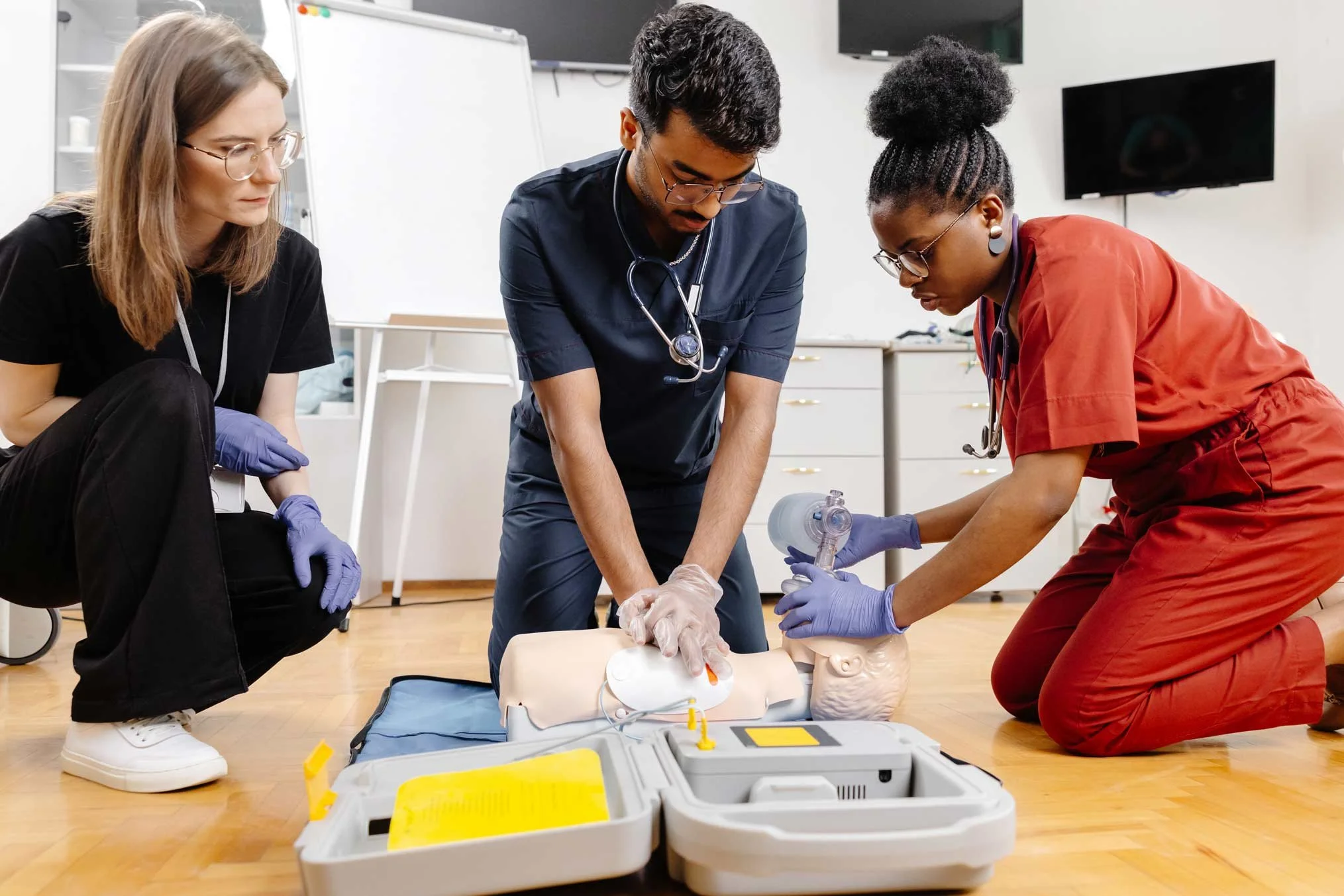
Basic Life Support Training for Dental Practices
Basic Life Support is particularly relevant within dental settings, where teams need to be prepared to respond appropriately to medical emergencies.
ADS Training provides BLS training for dental practices and dental teams, combining practical CPR and emergency response skills with training designed around the dental environment.
Our dental BLS sessions give team members an opportunity to practise their response, refresh essential skills and build confidence in handling a medical emergency within the practice.
Basic Life Support & CPR Training in Northamptonshire
You never know when you might find yourself in a situation where somebody needs help.
Learning Basic Life Support gives you practical skills that can help you recognise an emergency, call for professional assistance and provide immediate support until further help arrives.
At ADS Training, we provide Basic Life Support and CPR training in Northamptonshire for workplaces, dental practices, private groups, community organisations and individuals.
Training can be delivered at your workplace or at our dedicated training facility at Cuttle Mill Business Park near Towcester.
Whether you're looking to train your employees, refresh your team's BLS skills or simply learn CPR for yourself, we'll help you find the right training option.
Ready to Learn Basic Life Support?
Build your skills, increase your confidence and be better prepared for the moments that matter.