
How to Plan a Successful Staff Training Day
A well-planned staff training day can be a valuable investment in your team. Whether you're introducing new skills, refreshing existing knowledge, improving workplace processes or bringing colleagues together for professional development, the right preparation can make all the difference.
But organising a successful staff training day involves more than simply choosing a date and putting a presentation together.
From setting clear objectives and choosing the right training venue to planning breaks, practical activities and follow-up, there are several things to consider if you want your employees to get genuine value from the experience.
If you're planning an upcoming workplace training day, here are seven things to consider.

1. Start With a Clear Training Objective
Before you think about the venue, schedule or activities, start by asking one simple question:
What do you want your team to take away from the training day?
Your objectives should shape everything that follows.
Perhaps you're introducing employees to a new process, developing leadership skills, completing mandatory workplace training or giving your team practical skills such as CPR and Basic Life Support.
Whatever the purpose, establishing a clear goal makes it much easier to plan an effective session.
Try to identify what attendees should know, understand or be able to do by the end of the day. This will help you choose the right content, format and activities without trying to cover too much at once.
2. Choose the Right Training Format
Not every subject is best taught in the same way.
Some training sessions naturally require presentations and demonstrations, while others benefit from discussion, practical exercises, role-play or collaborative workshops.
Think about what will help your employees engage with the subject rather than simply how you can deliver the information.
Your staff training day might include a combination of:
Short presentations
Practical demonstrations
Hands-on activities
Group discussions
Scenario-based learning
Workshops
Team exercises
Question and answer sessions
Individual reflection
Using different formats throughout the day can help create variety and encourage participants to stay involved.
For practical subjects in particular, giving people an opportunity to actually practise what they're learning can be incredibly valuable.
3. Choose the Right Training Venue
The environment you choose can have a significant impact on how your training day feels.
While training can often be delivered at your normal workplace, taking employees to a dedicated training venue can create a clearer separation from everyday tasks and distractions.
When choosing a venue, consider the size of your group and how you intend to use the space.
Will everyone be seated throughout the session? Do you need room for practical activities? Would a breakout area be useful for smaller group discussions? Do you need a TV or presentation equipment?
You should also consider practical factors such as:
Location
Parking
Room capacity
Flexible seating layouts
Presentation equipment
Breakout areas
Kitchen or refreshment facilities
Accessibility
Nearby amenities
The right venue should support the training rather than creating additional complications for organisers or attendees.
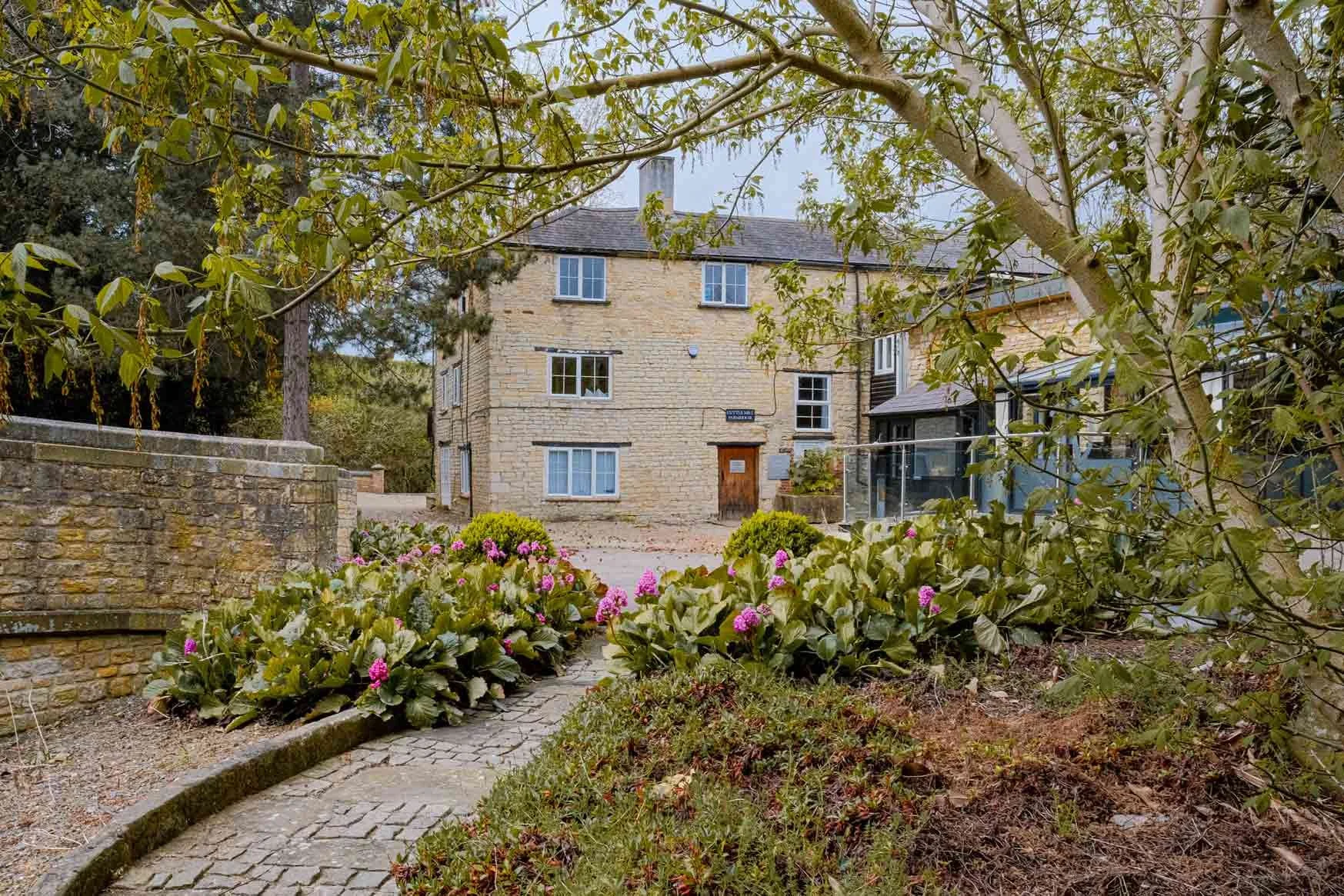
If you're currently comparing spaces, our guide to 5 Things to Look for When Hiring a Training Room covers the key considerations in more detail.
4. Create a Realistic Training Day Schedule
It's tempting to fill every available minute with content, particularly when you're taking employees away from their usual work for a day. But more content doesn't necessarily mean more effective training. People need opportunities to absorb information, ask questions, participate in activities and take regular breaks. Rather than planning one long session, divide your employee training day into manageable sections.
For example, you might structure the day around:
Welcome and objectives → Session one → Break → Practical activity → Lunch → Session two → Group exercise → Break → Final discussion and next steps
The exact structure will depend on your training, but variety can help keep the day moving and prevent participants from becoming overwhelmed.
Make sure you also leave some flexibility. Discussions and questions may take longer than expected, and building a little breathing room into your schedule means you won't have to rush valuable conversations.
5. Make Your Staff Training Interactive
One of the best ways to keep employees engaged is to give them opportunities to participate.
Sitting through hours of presentations can make it difficult to maintain concentration. Interactive training encourages people to apply what they're learning rather than simply listen.
Depending on your subject, this might involve:
Working through realistic scenarios
Practising a new skill
Solving a problem as a group
Discussing real workplace situations
Demonstrations
Role-playing
Quizzes or knowledge checks
Small group exercises
This is particularly important when training involves practical skills.
For example, during CPR and Basic Life Support training, hands-on practice gives participants an opportunity to become familiar with the techniques and equipment they may need to use during a real emergency.
Think about where you can turn information into an activity throughout your training day.
6. Don't Forget the Practical Details
Small details can have a surprisingly big impact on the experience of a staff training day.
Before the event, make sure attendees know:
Where the training is taking place
What time they should arrive
Where they can park
How long the session will last
Whether refreshments are provided
What they should bring
Whether they need to complete anything beforehand
If you're hiring an external training room, confirm what equipment and facilities are included before the day.
If you're delivering a presentation, for example, check what screen or TV is available and whether you'll need an HDMI cable or adapter.
For a full-day session, think about lunch and refreshments too. Having access to a kitchenette or nearby cafés and shops can make things considerably easier.
Taking care of these details in advance means everyone can focus on the training itself once the day begins.
7. Finish With Clear Next Steps
A successful training day shouldn't simply end when everyone leaves the room.
Set aside time at the end of the session to recap the most important points and give attendees an opportunity to ask final questions.
Depending on the subject, you might also want to provide:
Supporting resources
Further reading
A practical checklist
Follow-up activities
Refresher training dates
Certificates or training records, where applicable
Details of who to contact with further questions
It can also be useful to ask participants for feedback.
What did they find most useful? Was anything unclear? Is there something they would like more support with? Feedback can help you understand whether your training objectives were achieved and improve future sessions.
Should You Hold Staff Training On-Site or Off-Site?
One decision you'll need to make when planning a training day is whether to hold it at your normal workplace or hire an external training venue. Both options can work well depending on your requirements.
On-site training can be convenient, particularly if you have a suitable meeting or training room already available. It may also be helpful when the training needs to relate directly to your workplace environment.
However, off-site staff training has its own advantages.
Moving employees away from their usual working environment can help create a dedicated space for learning, away from everyday interruptions such as emails, phone calls, colleagues and routine tasks. An external training room can also provide more flexibility if your workplace doesn't have enough space for practical activities, group discussions or different seating arrangements.
The best option ultimately depends on the type of training you're delivering, the number of attendees and the experience you want to create.
What Makes a Successful Staff Training Day?
There isn't one perfect formula for every organisation.
However, the most effective training days tend to have a few things in common: a clear purpose, relevant content, opportunities to participate, a realistic schedule and an environment that supports learning.
Most importantly, keep your employees at the centre of your planning.
Think about what they need to learn, how they learn best and what will help them apply that knowledge when they're back at work. A training day shouldn't simply tick a box. Done well, it can help employees develop useful skills, build confidence, share ideas and feel more prepared in their roles.
Training Room Hire for Staff Training Days in Northamptonshire
If you're looking for a dedicated space for your next staff training day in Northamptonshire, ADS Training offers a flexible training room at Cuttle Mill Business Park near Towcester.
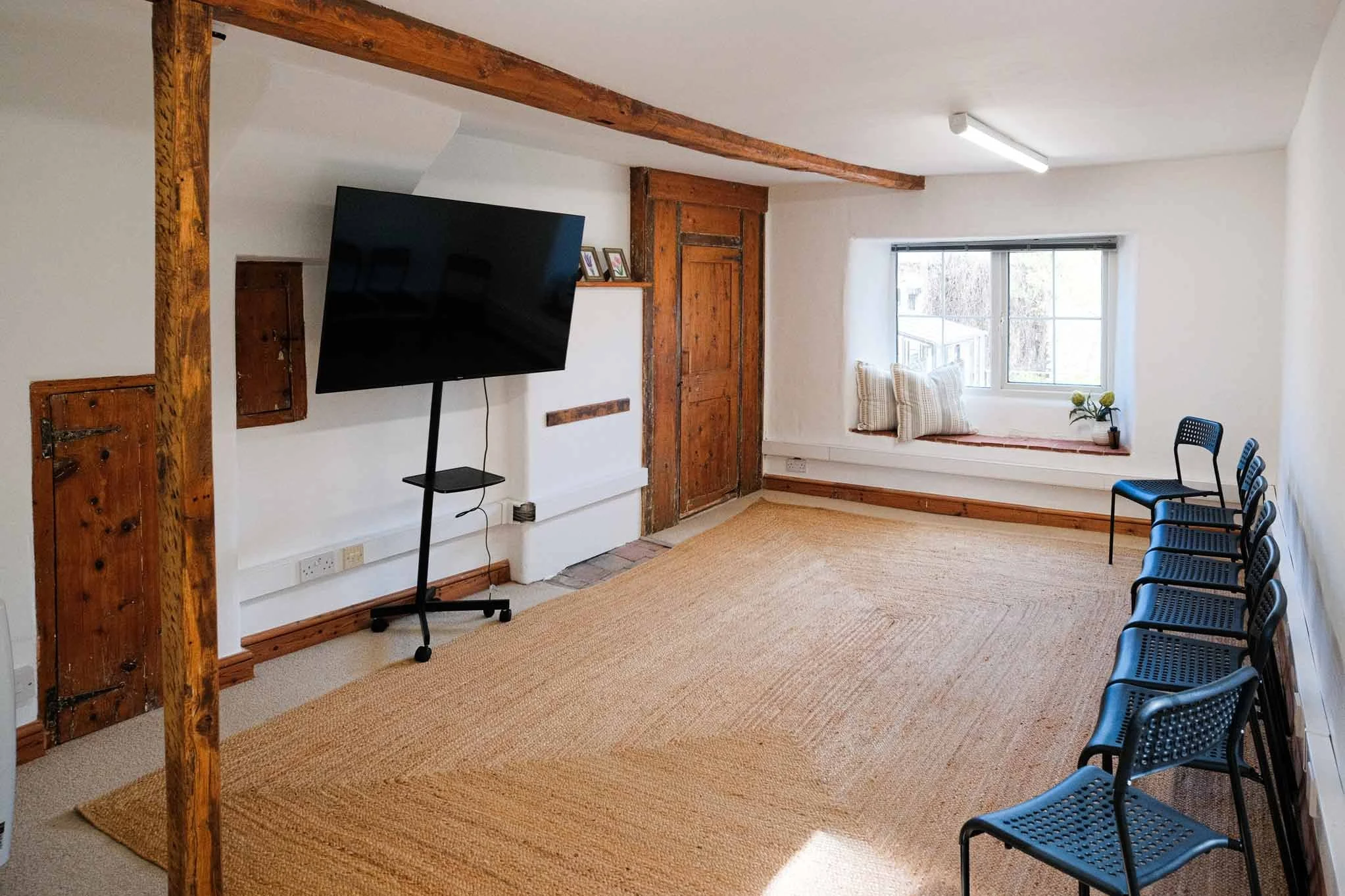
Our bright 497 sq ft training room accommodates up to 12 delegates and can be arranged to suit different types of training, workshops and meetings.
The venue includes:
A separate breakout area
Flexible room layouts
TV with HDMI connectivity
Private kitchenette
Toilet facilities
Ample free on-site parking
Peaceful rural surroundings
Located on the A5 between Towcester and Milton Keynes, Cuttle Mill Business Park is conveniently positioned for teams travelling from Northampton, Milton Keynes, Buckingham, Brackley and the surrounding areas.
The room is available for flexible hourly hire from £20 per hour, with a two-hour minimum booking, or £120 for full-day hire.
Whether you're organising employee training, a professional development day, team workshop, coaching session or business meeting, the space can be arranged around the needs of your event.
Planning Workplace CPR or Basic Life Support Training?
ADS Training also provides practical workplace CPR and Basic Life Support training for businesses and organisations across Northamptonshire.
Training can be delivered at your workplace or at our dedicated Towcester training facility, making it easy to choose the option that works best for your team.
Our hands-on approach focuses on practical skills and realistic scenarios, helping employees develop greater confidence in responding to an emergency.
Plan Your Next Training Day With ADS Training
A successful staff training day starts with good planning.
Set clear objectives, choose a format that encourages participation, create a realistic schedule and find a training environment where your team can focus.
Getting those foundations right can help turn a day away from normal work into a genuinely valuable experience for your employees.
Looking for a Training Room in Northamptonshire?
Our dedicated training space near Towcester provides a flexible, professional environment for smaller staff training days, workshops and business meetings.