
Basic Life Support Training for Dental Practices: What You Need to Know
Medical emergencies can happen in any healthcare setting, and dental practices are no exception. While serious emergencies may be uncommon, dental teams need to be prepared to respond quickly and confidently if a patient, colleague or visitor becomes seriously unwell.
That's where Basic Life Support (BLS) training for dental practices comes in.
From recognising cardiac arrest and performing CPR to using an Automated External Defibrillator (AED), regular BLS training gives dental professionals the practical skills and confidence they need to respond when every second counts.
In this guide, we'll look at why Basic Life Support is particularly important in dentistry, what dental BLS training should cover and how often dental teams should refresh their skills.
Why Is Basic Life Support Important in a Dental Practice?
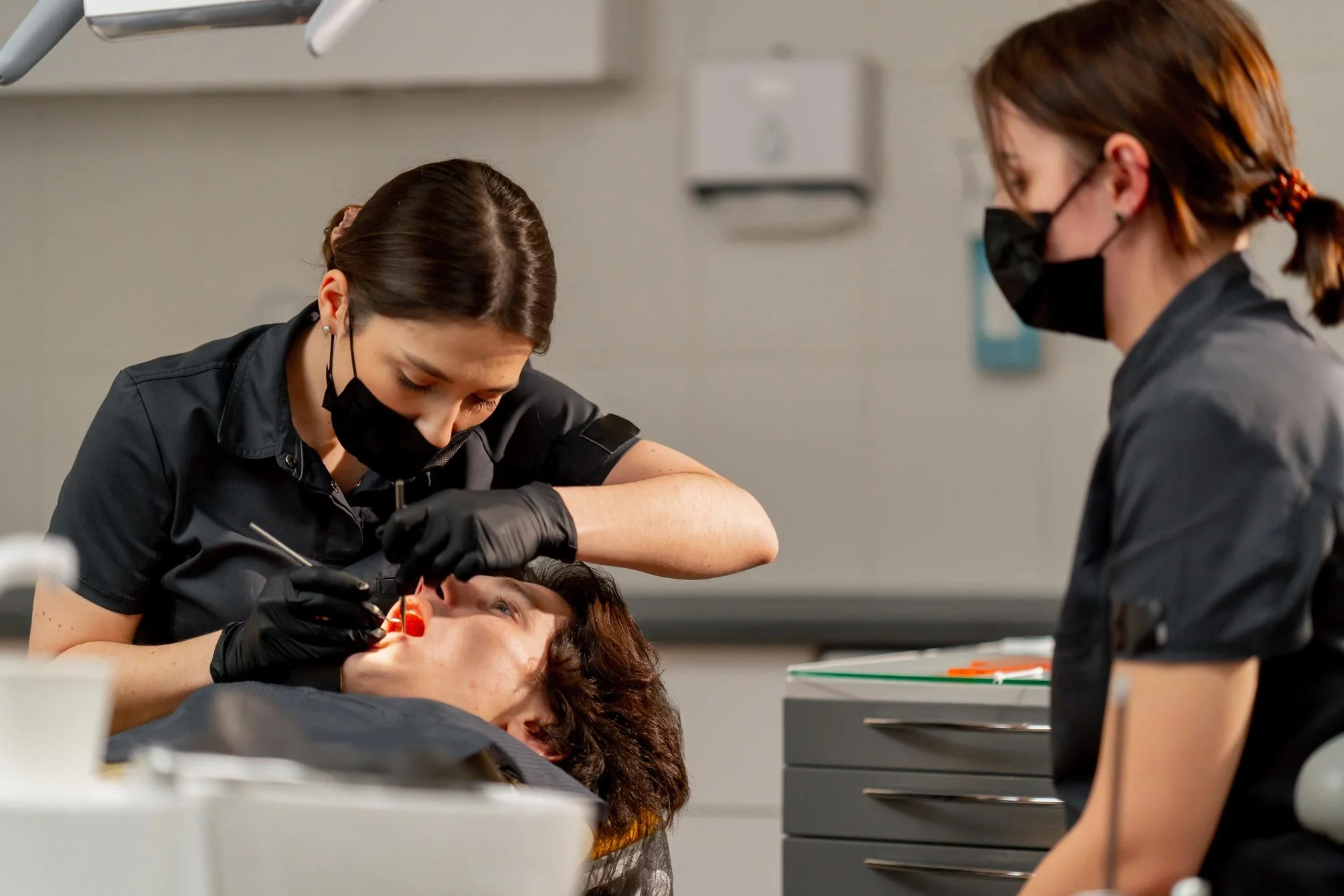
Dental professionals work directly with patients every day, including people with existing medical conditions or other risk factors. Although most appointments take place without incident, a medical emergency can occur unexpectedly.
If a patient experiences cardiac arrest, members of the dental team may be the first people required to recognise what's happening, call for emergency assistance and begin CPR.
Being prepared isn't simply about knowing CPR in theory. Dental teams need to understand their individual roles, know where emergency equipment is located and feel confident working together during a high-pressure situation.
Regular Basic Life Support training for dental teams helps turn that knowledge into practical skills.
What Does Dental BLS Training Cover?
Basic Life Support training should equip dental professionals with the core skills required to recognise and respond to a cardiorespiratory emergency.
Depending on the course and participants' roles, dental BLS training can include:
Recognising cardiac arrest
Assessing an unresponsive patient
Summoning emergency assistance
Performing effective CPR
Providing chest compressions and ventilation
Using an Automated External Defibrillator (AED)
Basic airway management
Responding to choking
Understanding adult and paediatric CPR
Working effectively as a team during an emergency
Practising realistic emergency scenarios
Hands-on training is particularly valuable because it gives dental teams an opportunity to practise their response together rather than simply learning the steps in theory.
How Often Should Dental Teams Complete BLS Training?
For dental practices, Basic Life Support isn't something that should be completed once and forgotten.
Current Resuscitation Council UK quality standards state that dental practitioners and other dental healthcare staff should update their knowledge and skills in resuscitation at least annually.
The guidance also recommends regular practice and teaching using simulated cardiorespiratory arrest scenarios.
New members of dental staff should receive appropriate resuscitation training as part of their induction, while ongoing training helps existing team members maintain their knowledge and practical skills.
For a dental practice, annual BLS training therefore provides an important opportunity to refresh individual skills while also making sure the wider team understands how to respond together.
Do GDC Standards Require BLS Training?
The General Dental Council (GDC) states that all registrants must follow the guidance on medical emergencies and training updates issued by Resuscitation Council UK.
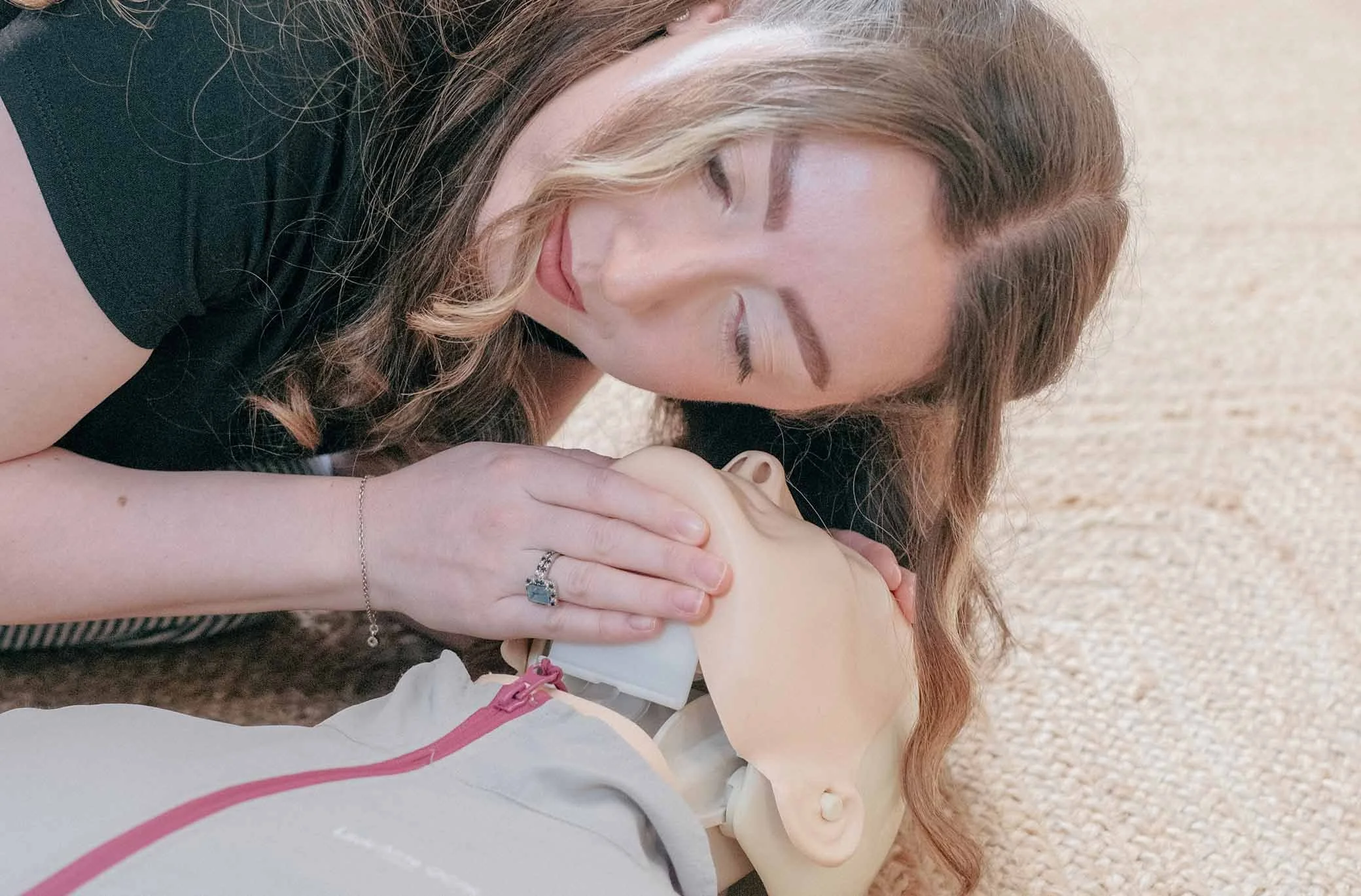
Resuscitation Council UK recommends that primary dental care professionals undergo training in CPR, including basic airway management and the use of an AED, and that resuscitation knowledge and skills are updated at least annually.
This makes regular CPR and Basic Life Support training for dental professionals an important part of maintaining appropriate emergency preparedness within a practice.
Practices should also keep appropriate records of staff training and updates.
Do Dental Practices Need an AED?
Automated External Defibrillators play an important role in responding to cardiac arrest.
The General Dental Council endorses Resuscitation Council UK guidance that all clinical areas should have immediate access to an AED. In practice, the GDC states that premises where patients are seen clinically should have a defibrillator.
Having the equipment available is only part of being prepared, however.
Dental professionals should also be familiar with how to use an AED. Incorporating AED practice into dental CPR training gives team members an opportunity to become familiar with the process before they're faced with a real emergency.
Practices should also have appropriate processes for checking and maintaining their emergency equipment.
Who in a Dental Practice Should Have BLS Training?
Emergency preparedness works best when the entire dental team understands what to do.
Resuscitation Council UK guidance applies to dental practitioners and other dental care professionals, while training should be appropriate to an individual's expected role.
Depending on the practice, this can include:
Dentists
Dental nurses
Dental hygienists
Dental therapists
Clinical dental technicians
Other registered dental professionals
Non-clinical members of the team also have a role to play in emergency preparedness. For example, someone may need to call 999, direct ambulance crews to the practice or retrieve emergency equipment.
Making emergency response part of the wider practice culture can help everyone understand what is expected of them if something goes wrong.
Why Hands-On Dental BLS Training Matters
Reading about CPR or watching a demonstration can help build knowledge, but there's a significant difference between understanding what should happen and physically practising it.
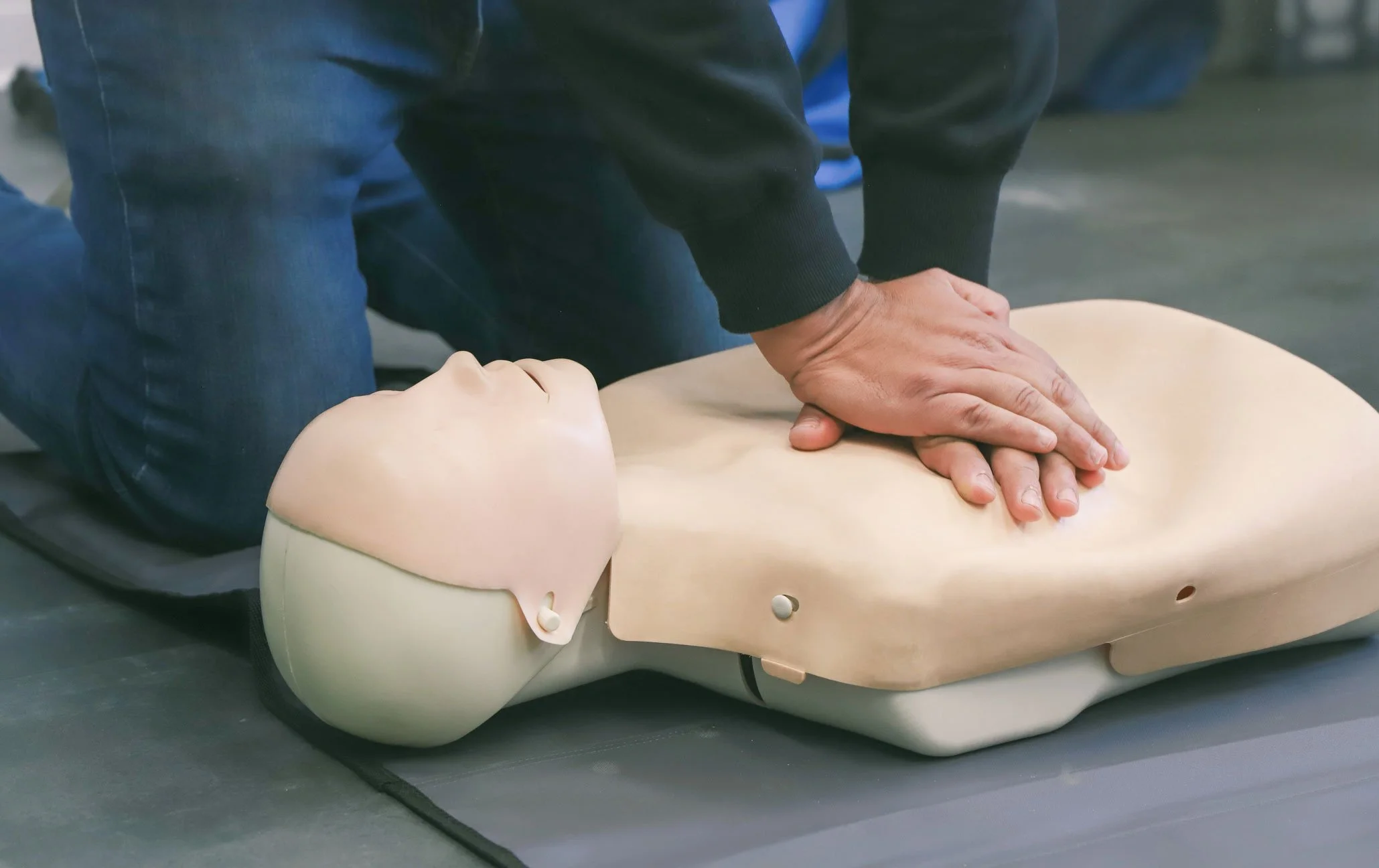
Hands-on Basic Life Support training gives dental teams an opportunity to practise CPR techniques, use training equipment and work through realistic emergency scenarios in a supportive environment.
This can be particularly valuable for dental practices because teams can think about emergency response in the context of their own working environment.
Who calls 999? Who retrieves the AED? Where is the oxygen kept? How would the team manage a collapsed patient? How will ambulance crews access the practice?
Regular practical training can help turn these questions into an organised response.
BLS Training Can Help Build a More Prepared Dental Team
One of the most valuable outcomes of regular training is confidence.
Medical emergencies are stressful, and it's natural for people to worry about freezing or forgetting what to do.
Regular CPR and BLS training for dental teams gives staff an opportunity to revisit essential skills, ask questions and practise their response before they're faced with a genuine emergency.
It can also highlight practical issues that might otherwise be overlooked — from where emergency equipment is stored to how responsibilities are divided between team members.
The goal is simple: if an emergency happens, your team should feel as prepared as possible to respond.
Basic Life Support Training for Dental Practices in Northamptonshire
At ADS Training, we provide practical Dental Basic Life Support training in Northamptonshire, designed specifically with dental teams and their working environment in mind.
Our sessions focus on practical learning, helping participants develop and refresh the skills needed to respond confidently to medical emergencies.
Training includes essential areas such as CPR and AED use, with hands-on learning and realistic scenarios designed to help participants put their knowledge into practice.
Dental practices can arrange training for their team, while ADS Training also runs dedicated Dental BLS training courses from our training facility at Cuttle Mill Business Park near Towcester.
Our location is conveniently positioned for dental professionals travelling from across Northamptonshire and surrounding areas, including Milton Keynes, Northampton, Buckingham and Brackley.
Keep Your Dental Team's BLS Skills Up to Date
Medical emergencies may be unexpected, but your response to them doesn't have to be.
Regular Basic Life Support training can help your dental team maintain essential resuscitation skills, understand their responsibilities and feel more confident responding when it matters most.
With Resuscitation Council UK recommending that dental healthcare staff update their resuscitation knowledge and skills at least annually, it's worth making BLS training a regular part of your practice's training calendar.
Is Your Dental Team Due a BLS Update?
ADS Training provides practical Basic Life Support and CPR training for dental practices across Northamptonshire, with dedicated Dental BLS courses available at our Towcester training facility.